Quest-ce que tu cherches?
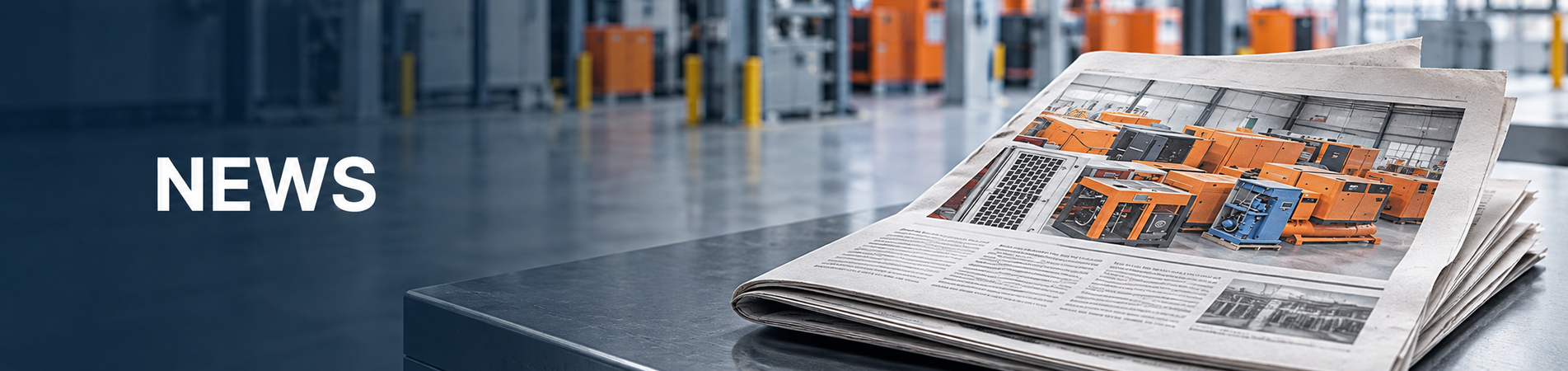
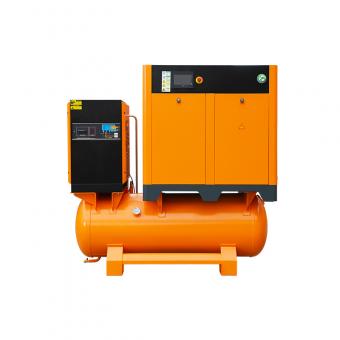
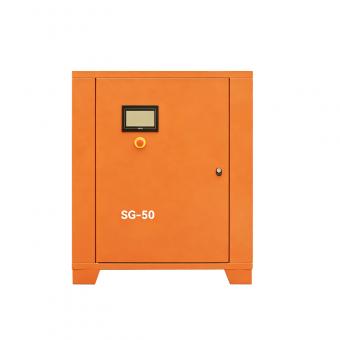
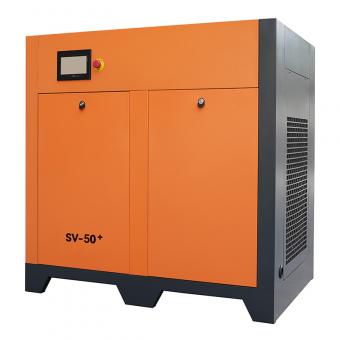
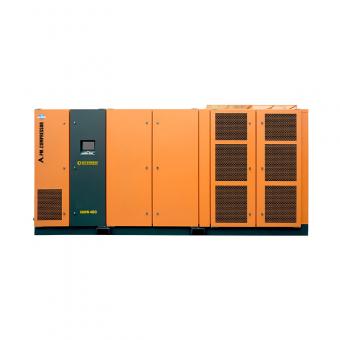
Dans le secteur du traitement des eaux usées, les compresseurs d'air sont des équipements énergétiques essentiels, véritables piliers du système. Ils fournissent silencieusement de l'air comprimé propre et stable à toutes les étapes du processus, garantissant ainsi le bon fonctionnement de l'ensemble de la chaîne d'épuration. Des stations d'épuration municipales aux stations industrielles, les compresseurs d'air assurent un soutien énergétique robuste, indispensable aux réactions biochimiques fondamentales, ainsi qu'aux opérations auxiliaires de séparation solide-liquide et de contrôle des équipements. Leur performance influe directement sur l'efficacité du traitement, les coûts énergétiques et la qualité des eaux traitées.
Le traitement par aération est l'application principale des compresseurs d'air dans le traitement des eaux usées, représentant environ la moitié de la consommation énergétique totale des stations d'épuration. Dans les bassins de traitement biochimique, les micro-organismes aérobies ont besoin d'oxygène en quantité suffisante pour décomposer la matière organique, l'azote ammoniacal et d'autres polluants présents dans les eaux usées. Les compresseurs d'air assurent précisément le transport de cet oxygène. Après compression, l'air est transformé en fines bulles par les aérateurs et diffusé uniformément dans les eaux usées, maximisant ainsi la surface de contact gaz-liquide, ce qui favorise l'activité microbienne et permet une dégradation efficace des polluants. La station d'épuration de Deventer, aux Pays-Bas, utilisait autrefois quatre compresseurs d'air pour son système d'aération depuis près de vingt ans. Après son passage à trois modèles de nouvelle génération, elle a non seulement réduit le nombre d'équipements, mais a également réalisé un gain de 7 % en efficacité énergétique, confirmant ainsi le rôle essentiel des compresseurs d'air dans le processus d'aération.
Les compresseurs d'air jouent un rôle irremplaçable dans le processus de séparation solide-liquide. Dans le procédé de flottation à air dissous (FAD), les compresseurs compriment et injectent de l'air dans le réservoir d'air dissous, où l'air se dissout dans l'eau pour former de l'eau à air dissous sous haute pression. Après la réduction de pression par le dépressuriseur, une multitude de microbulles sont générées. Ces bulles adsorbent l'huile, les matières en suspension et les particules colloïdales présentes dans les eaux usées, entraînant les polluants à la surface pour former une écume. Celle-ci est ensuite éliminée par un racleur, ce qui améliore considérablement l'efficacité de la séparation solide-liquide. Ce procédé est particulièrement adapté au traitement des eaux usées à forte teneur en huile et à forte turbidité. De plus, l'air comprimé fourni par les compresseurs peut être utilisé pour le rétrolavage des filtres. Ce procédé, qui crée un flux d'eau inverse, nettoie le média filtrant grâce à un courant d'air, élimine les impuretés de surface, restaure ses performances de filtration et prolonge sa durée de vie.
Au-delà des procédés de base, les compresseurs d'air constituent le véritable centre névralgique des équipements de traitement des eaux usées. Le fonctionnement des vannes pneumatiques, des pompes de transfert de boues, des mélangeurs pneumatiques et des autres équipements du processus de traitement repose sur un approvisionnement stable en air comprimé. Les vannes pneumatiques, actionnées par air comprimé, offrent une grande réactivité et permettent un contrôle précis du débit et de la pression à chaque étape du processus. Les mélangeurs pneumatiques assurent un mélange rapide des coagulants et floculants avec les eaux usées, optimisant ainsi l'efficacité des produits chimiques et garantissant le bon déroulement du traitement. Par ailleurs, lors de la décomposition anaérobie des boues, les compresseurs d'air favorisent la circulation du biogaz, assurent une répartition homogène de la chaleur dans la tour de réaction et contribuent à la réduction des boues et à la valorisation des ressources.
Face à l'amélioration constante des exigences environnementales et à la diffusion des principes d'économie d'énergie, l'utilisation des compresseurs d'air dans le traitement des eaux usées évolue vers une efficacité accrue, une consommation d'énergie réduite et une utilisation plus intelligente. Les compresseurs d'air traditionnels à fréquence fixe, énergivores, sont progressivement remplacés par des compresseurs à vis à fréquence variable et des surpresseurs à vis sans huile. À Zhongshan, une station d'épuration a remplacé ses anciens compresseurs à fréquence fixe par des compresseurs à fréquence variable, réalisant ainsi une économie d'électricité de 1 200 kWh par jour. Au Guangxi, une autre station d'épuration a mis en service des surpresseurs à vis sans huile, ce qui a permis de résoudre les problèmes de fluctuation de pression et de teneur en huile de l'air rencontrés avec les équipements traditionnels, tout en répondant aux exigences environnementales et en simplifiant l'exploitation et la maintenance.
En tant qu'équipement indispensable dans le secteur du traitement des eaux usées, le fonctionnement stable des compresseurs d'air est directement lié à l'efficacité de la purification des eaux usées et au respect des normes environnementales. À l'avenir, grâce à l'intégration de l'Internet des objets et des technologies de contrôle intelligent, les compresseurs d'air bénéficieront d'une régulation de charge plus précise, d'une exploitation et d'une maintenance à distance, ce qui permettra de réduire davantage la consommation d'énergie, d'améliorer la fiabilité, de dynamiser le développement durable et sobre en carbone du secteur du traitement des eaux usées et de garantir la préservation des ressources en eau.



 IPv6 réseau pris en charge
 English
 français
 Deutsch
 русский
 español
 português
 日本語
日本語 한국의
한국의 ไทย
ไทย 中文
中文